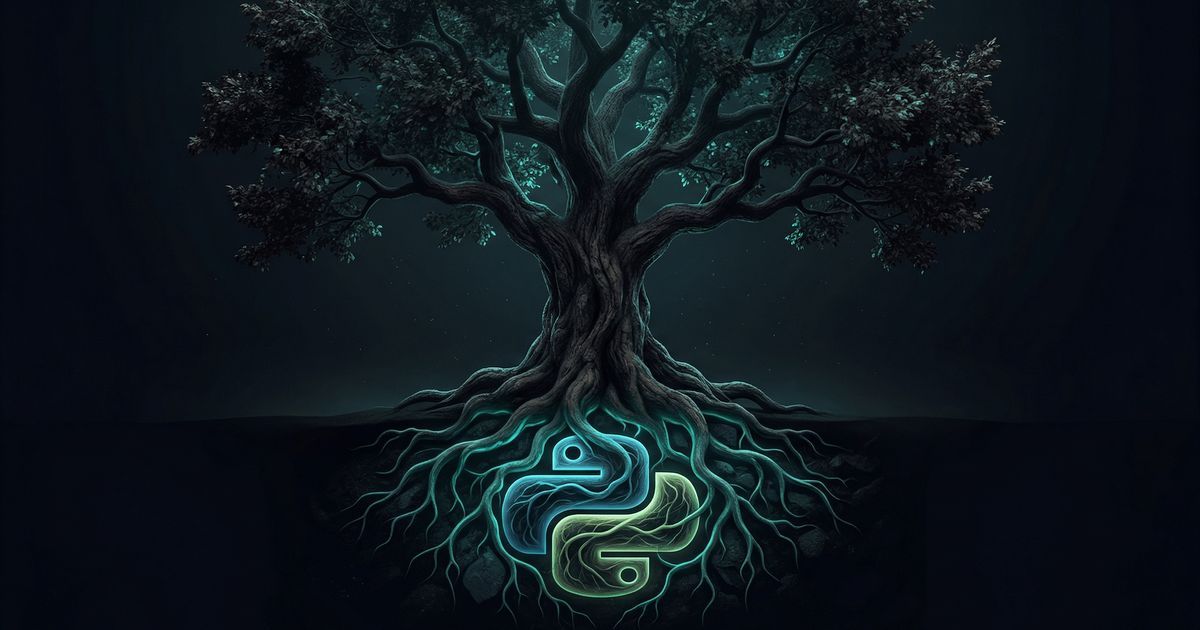
Python in 2026: The Unseen Shift from Novelty to Mastery
In 2026, the Python ecosystem isn't defined by a flood of new libraries, but by a deepening expertise in its powerful, mature core. Here's why that's more exciting than it sounds.
On this page
For years, the tech world has been conditioned to chase the new and shiny. We scroll through feeds looking for the “next big thing”—the revolutionary framework or the game-changing library that promises to solve all our problems. Yet, as we move through 2026, the Python ecosystem is sending a different, more profound message: the real power isn’t in novelty, but in mastery.
The landscape hasn’t gone stale. Instead, it has matured. The dominant libraries and frameworks that form the bedrock of modern software development—in data science, web development, and automation—are not just surviving; they are thriving. They’ve become more robust, more optimized, and more deeply integrated than ever before.
The enduring power of the core
Think about the pillars of the Python world:
- Data Science & AI: The trio of Pandas, NumPy, and Scikit-learn remains the undisputed foundation for most data analysis and machine learning tasks. Alongside them, TensorFlow and PyTorch continue their advanced evolution. Innovation isn’t about replacing them, but building on top of them and optimizing their performance for increasingly massive datasets and complex models. The focus has shifted from finding new tools to using these tools with surgical precision.
- Web Development: Django and Flask continue to power a significant portion of the web. Their strength lies in their stability, extensive documentation, and vast communities. While newer, async-first frameworks like FastAPI have carved out a critical niche for high-performance APIs, they often complement rather than replace the established giants. The ecosystem provides a clear “right tool for the job,” from a robust monolith in Django to a lightweight microservice in Flask.
- Automation & Tooling: The simple elegance of libraries like Requests for HTTP, BeautifulSoup for web scraping, and SQLAlchemy for database interaction has made them timeless. They are so effective at what they do that the need for radical reinvention is minimal.
So, what’s actually new? The shift in focus
If we’re not seeing a constant parade of new, revolutionary libraries, where is the innovation happening? It’s happening in a less visible but far more impactful layer: specialization and integration.
The “new” thing in 2026 is not a tool, but a skillset. It’s the ability to:
- Tune for Performance: Squeezing every last drop of performance out of a Pandas DataFrame, optimizing a complex Django query, or scaling a PyTorch model efficiently.
- Integrate Seamlessly: Combining these mature tools in novel ways to build complex, end-to-end systems. For example, building a data pipeline that uses FastAPI to serve a Scikit-learn model trained on data processed with Pandas.
- Master the Advanced Features: Moving beyond the basic API of a library and leveraging its advanced, and often underutilized, capabilities.
Why this is great news for developers
This age of maturity is incredibly beneficial for developers, both new and experienced.
- For Beginners: The learning path is clearer than ever. Focusing on the fundamentals—Pandas, Django, Flask, SQLAlchemy—is a safe and powerful bet. These skills are not going to become obsolete overnight.
- For Experienced Developers: The challenge shifts from a frantic race to keep up with new tools to a rewarding journey towards deep expertise. The goal is to become a true craftsperson—someone who not only knows what tool to use, but how to use it with maximum efficiency and elegance.
In conclusion, the Python ecosystem in 2026 is a testament to its own success. It has built a core set of tools so powerful and reliable that the community’s energy can now be focused on mastering them. The excitement is no longer just in the discovery of the new, but in the profound satisfaction of building exceptional things with tools we know and trust.